Steel Structure Aircraft Garage (Aircraft Hangar) Product Introduction
1. Product Overview
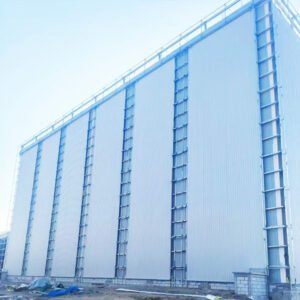
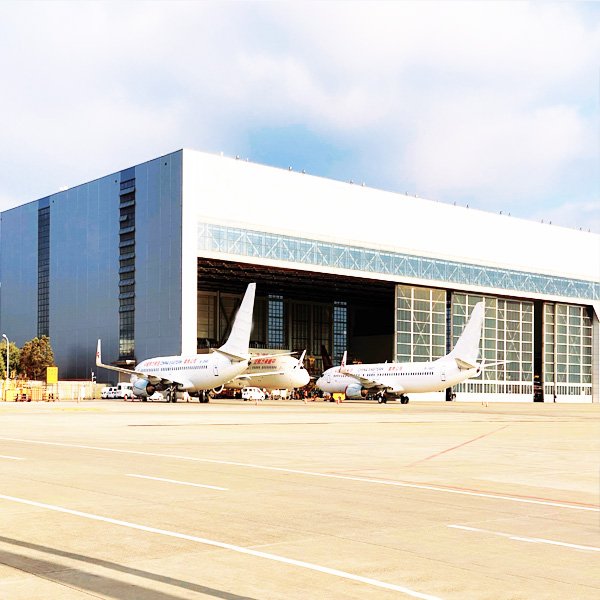
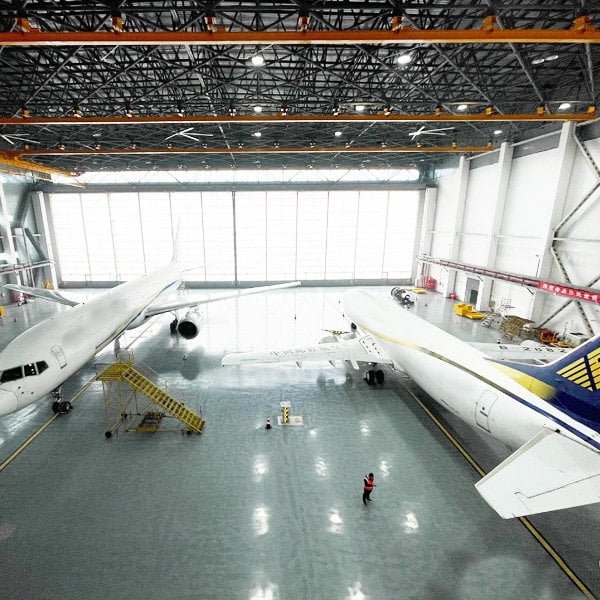
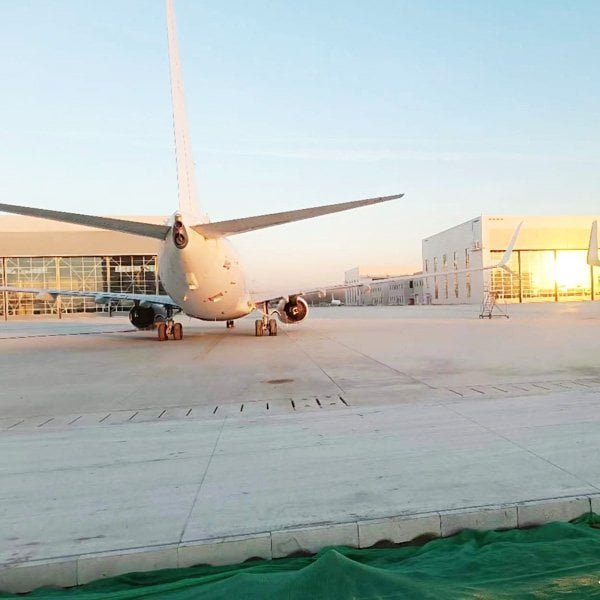
A steel structure aircraft garage, also known as an aircraft hangar, is a large-span building specifically designed for the storage, maintenance, and servicing of aircraft. Engineered with high-strength steel structures, it provides wide, column-free interior space, ensuring safe and efficient accommodation for various aircraft types.
Steel aircraft hangars are widely used in civil aviation, military bases, private airports, and maintenance facilities due to their durability, flexibility, and rapid construction.
2. Structural System
Primary Structure
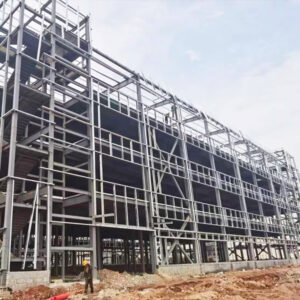
- Steel Columns & Beams: Welded or hot-rolled H-section steel
- Structural Forms:
- Portal frame system
- Truss structure system
- Space frame system (for extra-large spans)
- Material Grade: Q235B / Q355B (or ASTM equivalent)
Large-Span Design
- Clear span without internal columns
- Span range: 30m – 120m+ (customizable)
- Designed for aircraft wingspan clearance
Surface Treatment
- Anti-corrosion painting or hot-dip galvanizing
- Suitable for various climates, including coastal and humid environments
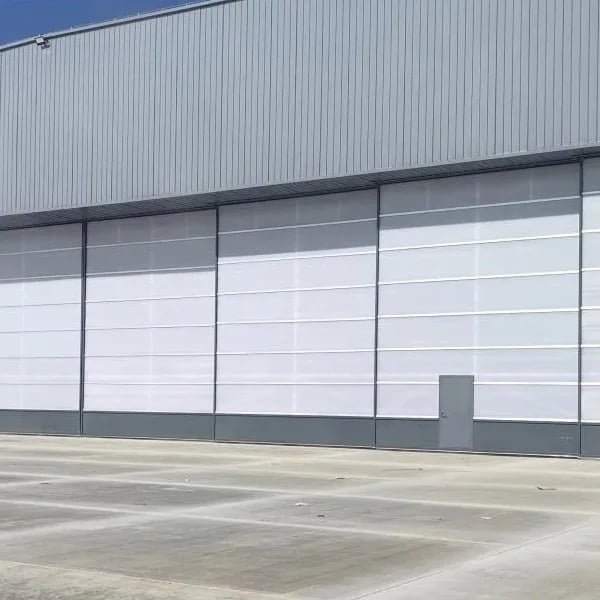
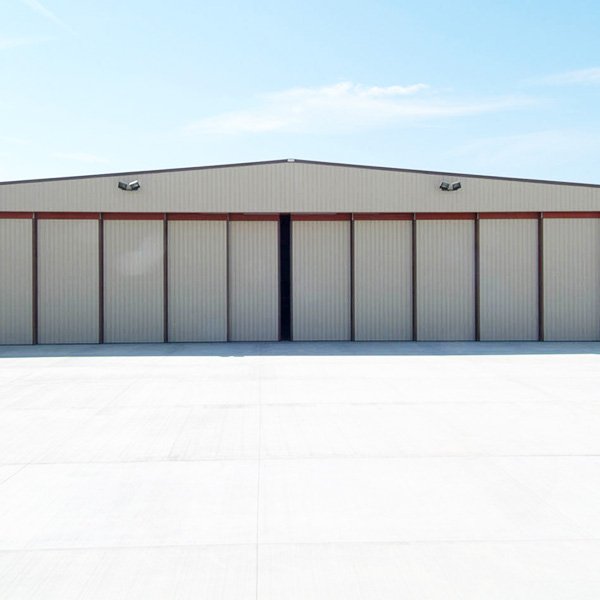
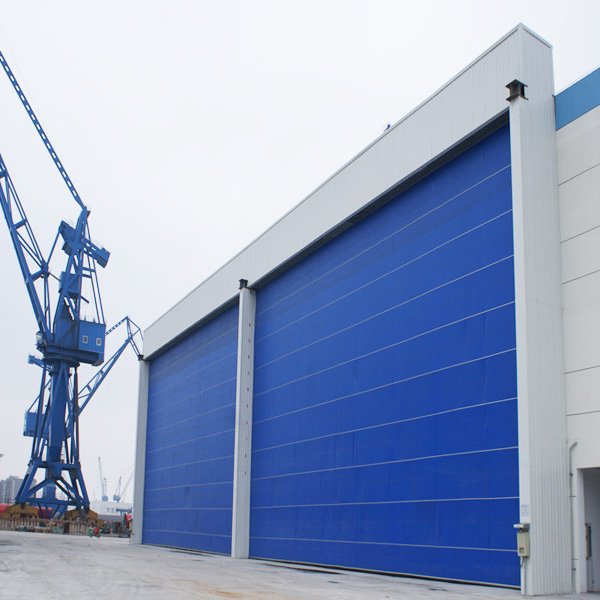
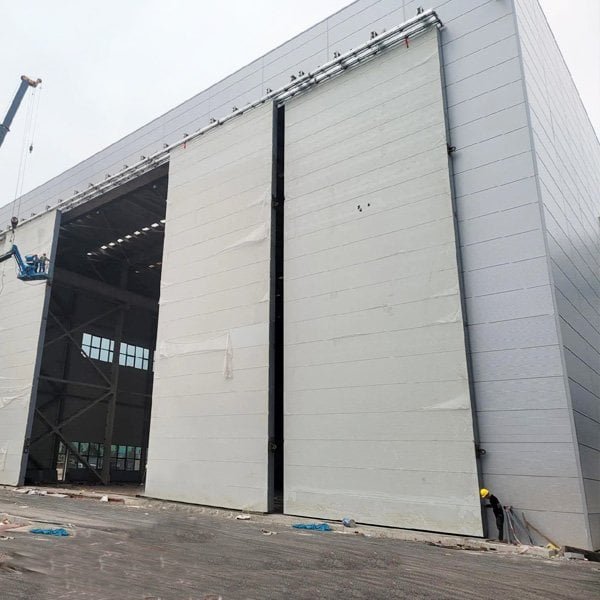
3. Hangar Door System
The hangar door is a critical component, designed for large openings and smooth operation:
- Sliding Hangar Doors
- Bi-fold Doors
- Hydraulic Lift Doors
- Vertical Lift Doors (optional)
Features:
- Large opening width and height
- Wind-resistant and secure
- Automated control systems available
4. Roof & Wall System
Roof System
- Insulated sandwich panels or metal roofing sheets
- Skylights for natural lighting (optional)
- Waterproof and drainage systems integrated
Wall System
- Steel cladding or insulated panels
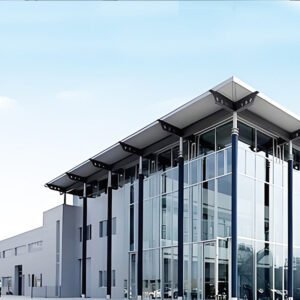
- Optional glass curtain walls for modern appearance
- Thermal insulation options depending on climate
5. Functional Systems
Ventilation System
- Natural ventilation or mechanical exhaust systems
- Air circulation for maintenance safety
Lighting System
- High-bay LED lighting
- Natural daylighting through skylights
Fire Protection System
- Fire alarm and sprinkler systems
- Foam fire suppression system (optional for aviation safety)
Electrical System
- Power supply for maintenance equipment
- Grounding and lightning protection
6. Interior Features
- Large unobstructed workspace
- Maintenance zones and equipment areas
- Office and control rooms (optional mezzanine)
- Storage areas for tools and spare parts
7. Design Features
- Customizable dimensions based on aircraft type (helicopter, private jet, commercial aircraft)
- Flexible layout for maintenance, repair, and storage
- Expandable modular design
- Designed according to aviation standards and local building codes
8. Manufacturing Process
- Steel cutting and welding
- Shot blasting and surface treatment
- Precision fabrication and drilling
- Component prefabrication
- Quality inspection and packaging
All components are factory-prefabricated to ensure accuracy and efficiency.
9. Installation
- Bolt-connected steel structure for fast assembly
- Large component lifting using cranes
- Professional installation support available
- Reduced construction time compared to traditional buildings
10. Advantages
- Ultra-Large Clear Span Space
- High Strength & Structural Stability
- Fast Construction & Reduced Downtime
- Flexible Design for Different Aircraft Types
- Durable and Weather-Resistant
- Cost-Effective Compared to Conventional Structures
11. Application Areas
- Civil aviation airports
- Military airbases
- Private jet hangars
- Aircraft maintenance and repair facilities (MRO)
- Helicopter storage facilities
12. Technical Parameters (Typical)
- Span: 30m – 120m+
- Height: 8m – 25m (depending on aircraft type)
- Door Opening Width: Up to full span
- Wind/Snow Load: Designed per local standards
- Crane System: Optional (for maintenance operations)
13. Packaging & Delivery
- Steel components securely bundled
- Large components shipped via container or bulk transport
- Door systems carefully packed
- Complete drawings and installation manuals provided
14. After-Sales Service
- Installation drawings and technical guidance
- Remote support and consultation
- On-site engineer service (optional)
- Long-term maintenance support