Steel Structure Stadium Product Introduction
1. Product Overview
A steel structure stadium is a large-span public building designed for sports events, entertainment activities, and large gatherings. Utilizing high-strength steel frameworks, it provides exceptional load-bearing capacity, flexible architectural design, and efficient construction solutions.
Steel stadiums are widely used for football fields, athletics arenas, gymnasiums, and multi-purpose venues, offering modern aesthetics, durability, and excellent spectator experience.
2. Structural System
Primary Structure
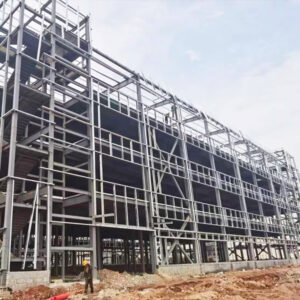
Steel Columns & Beams: Welded or hot-rolled H-section steel
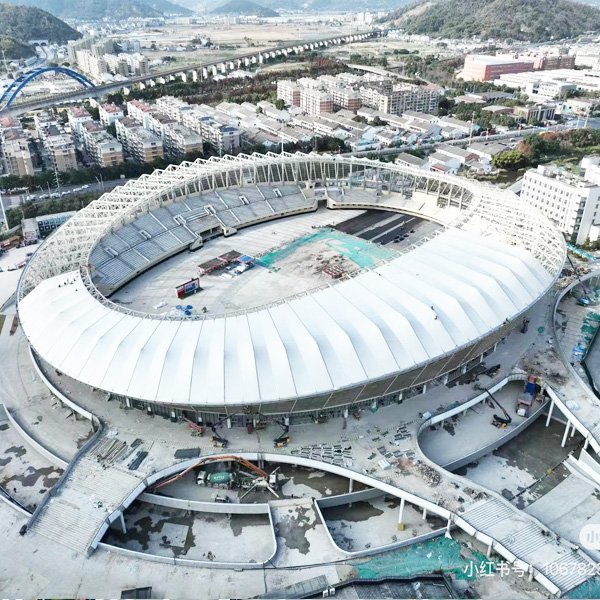
Long-Span Roof Structure:
Truss structure
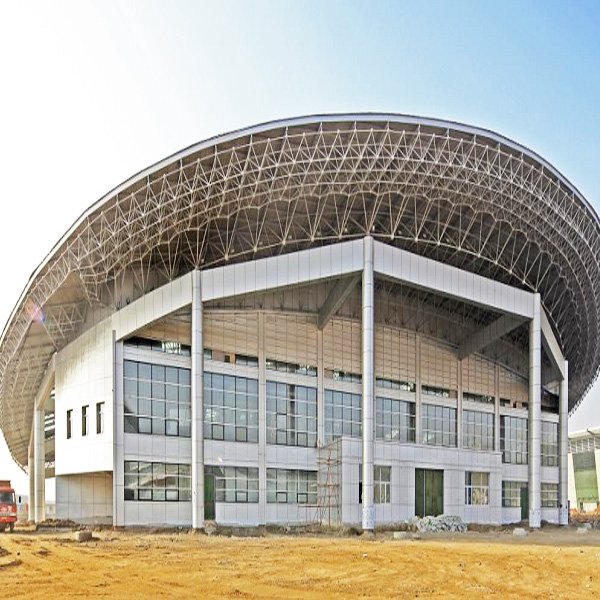
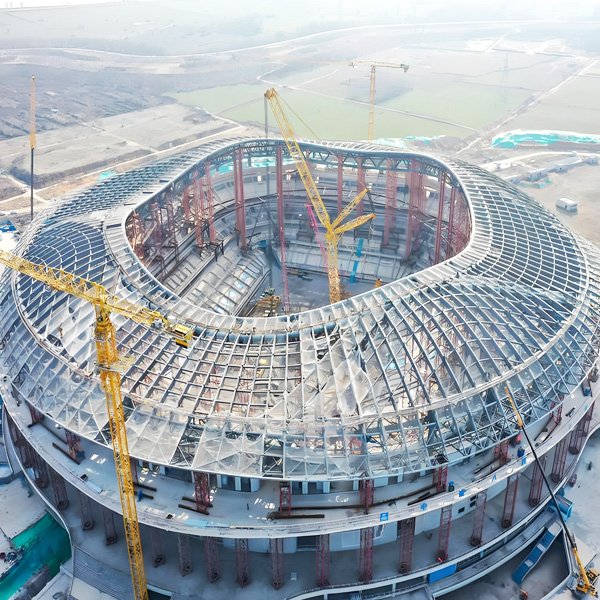
Space frame structure
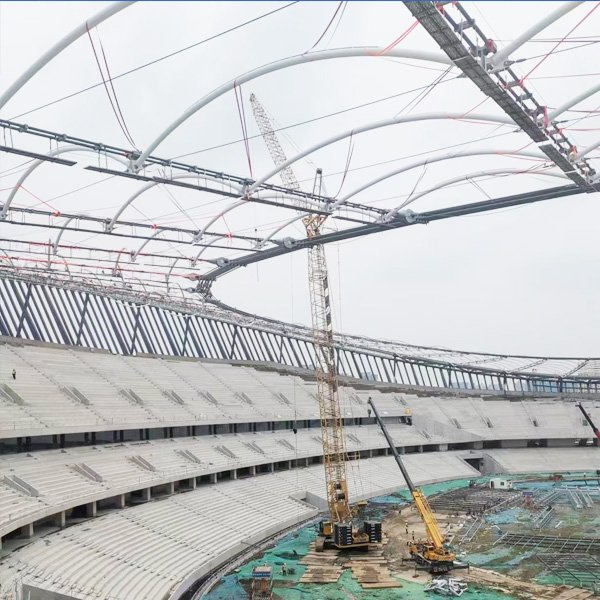
Arch or cantilever system
Material Grade: Q235B / Q355B
Lateral Stability System
Steel bracing systems
Rigid frame connections
Designed to withstand wind loads, seismic forces, and dynamic crowd loads
3. Roof System
Large-span roofing with lightweight steel structure
Roofing materials:
Metal panels
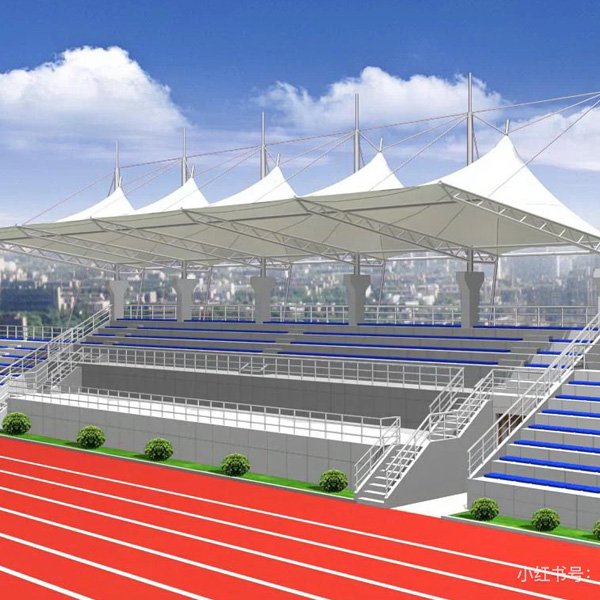
Membrane structures (PTFE / PVDF / ETFE)
Optional translucent roofing for natural lighting
Integrated drainage and waterproofing system
4. Seating System
Reinforced concrete or steel seating tiers
Prefabricated seating systems
VIP seating areas and skyboxes (optional)
Designed for optimal visibility and comfort
5. Building Envelope System
Partial or full enclosure depending on stadium type
Curtain walls, metal panels, or membrane façades
Wind protection and weather resistance design
6. Functional Systems
Lighting System
High-performance stadium floodlighting
LED systems for energy efficiency
Designed for broadcasting standards (HD/4K)
Sound System
Professional audio system for announcements and events
Scoreboard & Display
LED screens and digital scoreboards
Integrated control systems
HVAC System
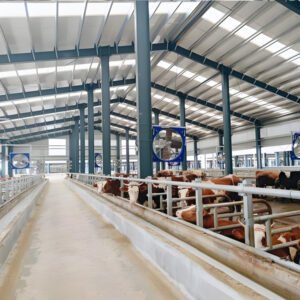
Ventilation for indoor stadiums
Climate control for enclosed arenas
7. Design Features
Ultra-large span with minimal internal columns
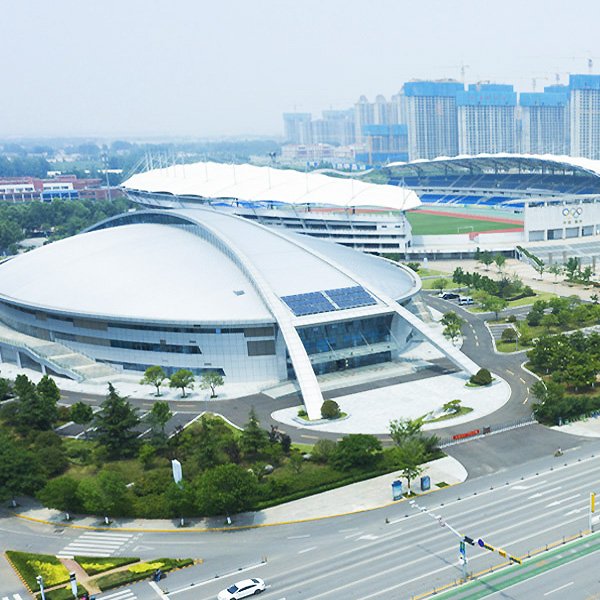
Iconic and modern architectural appearance
Customizable design based on sport type and capacity
Efficient crowd flow and evacuation planning
Compliance with international stadium design standards
8. Manufacturing Process
Steel cutting and welding
Shot blasting and anti-corrosion treatment
Precision fabrication of large-span components
Trial assembly (if required)
Quality inspection and packaging
All components are prefabricated for accuracy and efficiency.
9. Installation
Modular installation with bolt connections
Large component lifting with cranes
Professional installation team required
Phased construction for large-scale projects
10. Advantages
High Strength & Long-Span Capability
Architectural Flexibility & Landmark Design
Fast Construction Compared to Traditional Methods
Durable and Weather-Resistant
Adaptable for Multi-Purpose Use
Energy-Efficient Design Options
11. Application Areas
Football and soccer stadiums
Athletics stadiums
Indoor arenas and gymnasiums
Multi-purpose sports and entertainment venues
Training and community sports facilities
12. Technical Parameters (Typical)
Span: 50m – 300m+ (customizable)
Capacity: 5,000 – 80,000+ seats
Roof Type: Partial or full coverage
Structure Type: Truss / space frame / arch
Design Load: According to international standards
13. Packaging & Delivery
Large steel components securely packed
Segmented transport for oversized structures
Container or bulk shipment
Full engineering drawings and installation plans provided
14. After-Sales Service
Engineering support and installation guidance
On-site technical supervision (optional)
Maintenance and inspection consultation
Long-term project support